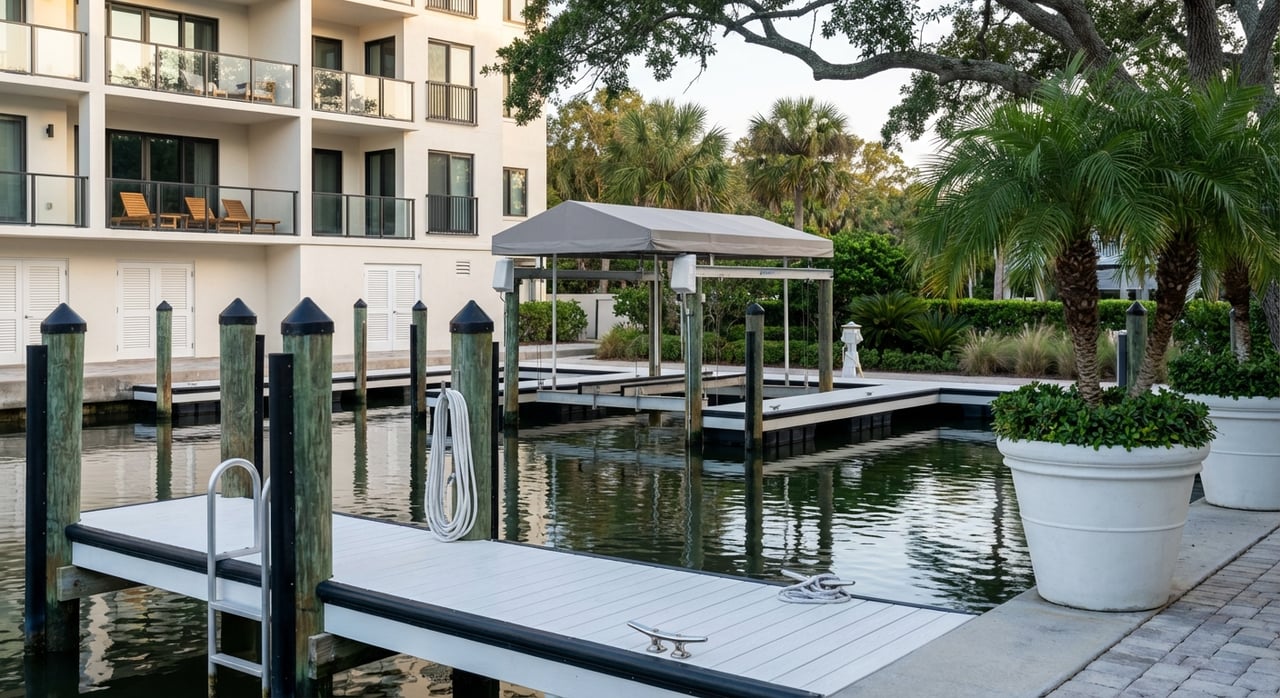
Picture this: you step out with a cup of coffee, untie your lines, and idle toward blue water while the sun lights up Perdido Pass. If that sounds like your perfect morning, choosing the right Orange Beach condo should start with how you want to boat. Whether you keep a center console on a lift, trailer a skiff on weekends, or prefer full-service marina convenience, the right setup makes all the difference.
In this guide, you’ll learn how to match your boating style to condo types, where to find reliable marina and launch options, and which HOA and permitting rules matter. You’ll also get a practical checklist to bring to showings. Let’s dive in.
Start with how you boat
Orange Beach is a true boating hub. You have direct Gulf access through Perdido Pass and a protected network of rivers, bayous, canals, and the Intracoastal Waterway. Transit times and wake rules vary by waterway, so plan routes with local no-wake guidance around Perdido Pass and nearby canals.
If you trailer your boat, you have strong public-launch support. The region added capacity with The Launch at ICW, a multi-lane facility with significant trailer parking. You can also use the popular Cotton Bayou Boat Launch and Boggy Point for quick access toward Perdido Pass. If you lease or own a slip, you can choose among full-service marinas and condo docks depending on vessel size and how often you get out.
Condo types for boaters
Different buildings offer very different boat access. Start by mapping your boating habits to one of these common options.
Gulf-front condos
Gulf-front buildings prioritize beach life and views. Most do not have deep-water slips on-site. If you own a boat, you will usually pair a beach condo with a nearby marina slip or rely on public launches. A notable hybrid is Wind Drift, which offers Gulf-front living with Old River access across the street and advertises first-come slips for owners and guests. You can see the setup on this Wind Drift example. Expect to confirm availability, rules, and parking logistics with the HOA.
Best for: beach-first buyers who boat occasionally, trailer owners, or anyone happy to lease a marina slip nearby.
Bay and river-front slips
Buildings on Old River, Cotton Bayou, Terry Cove, and similar waterways often include on-site docks. Some complexes offer deeded slips that convey with the unit. Others use assigned or first-come systems managed by the HOA. These locations minimize idle time and make day-to-day boating easy.
Key tradeoffs: deeded slips can add value but confirm size limits, lift capacity, and conveyance rules in the deed and HOA documents. Assigned or first-come slips can be convenient but may involve waitlists, guest-use restrictions, and seasonal demand.
Best for: frequent boaters who want the fastest access to protected water and a simple morning walk to the dock.
Marina-connected developments
Some condo communities sit beside or integrate with commercial marinas. The Wharf is a prime example, where The Wharf Marina offers floating docks, fuel, pump-out, and concierge-style services next to dining and entertainment. SanRoc Cay Marina offers protected dockage with restaurants and charter operations steps away.
Key tradeoffs: access to fuel, service, and transient dockage for guests is a big plus. Slip leases, fees, and waitlists vary by marina, so verify availability and terms directly with the marina office.
Best for: second-home owners who value on-site amenities, professional marine services, and guest-friendly dockage.
Canal-front and islands
Canal corridors near Terry Cove and Ono Island offer deeper lots, private docks, and easy staging for larger boats. Canals may have speed limits, and some stretches are idle-only. Always plan around no-wake rules and typical traffic patterns using local no-wake guidance.
Key tradeoffs: excellent access and privacy for larger vessels, but you will navigate more specific HOA rules and permitting if you want to add or modify lifts and structures.
Best for: owners of larger center consoles or yachts who prioritize protected dockage and faster runs to open water.
Launch ramps and marinas
A great boating lifestyle depends on reliable infrastructure. Here are local highlights to factor into your decision:
- The Wharf Marina. The Wharf Marina offers floating slips, fuel, pump-out, electrical services, and seasonal events next to retail and restaurants. This is a top choice if you want full-service convenience and entertainment in one spot.
- SanRoc Cay Marina. SanRoc Cay pairs protected dockage with dockside dining and charter operations. It is a popular hub for owners who host boating guests.
- Orange Beach Marina. Orange Beach Marina on Marina Road is a full-service facility with a dock store, service, and charter fleet access.
- Romar Marina. Romar Marina near Cotton Bayou provides wet slips, dry storage, and local service that many owners prefer for lower-volume dockage.
- Public ramps. Use The Launch at ICW for peak trailer capacity and the Cotton Bayou Boat Launch or Boggy Point for quick Gulf access. Seasonal congestion is common, so plan arrival times accordingly.
HOA rules that matter
Your slip is only as useful as the rules that govern it. As you evaluate buildings, confirm these items in writing with the HOA and, if applicable, the adjoining marina:
- Slip type. Is the slip deeded, assigned, or first-come? Deeded slips typically convey with the unit. Assigned and first-come arrangements are managed by the HOA, often with waitlists and guest rules.
- Dimensions and depth. Get exact slip length overall, beam clearance, lift specs, and mean low water depth. Ensure the slip fits your vessel with room to grow.
- Lifts and over-water structures. Some associations limit boat shelters, lifts, or dock modifications. If you plan upgrades, review permits and rules first.
- Insurance and maintenance. Many HOAs maintain common docks but may require owners to insure lifts or name the association as an additional insured. Ask for the master policy and certificates.
- Rentals and guest use. If you rent your unit, verify whether renters can use the slip and how guest docking and parking are handled.
- Permits and riparian rights. Dock construction and changes often require approvals. Review the US Army Corps of Engineers Mobile District guidance for Alabama General Permits. Coordinate early if you expect to add a lift or alter a footprint.
- No-wake and safety. Some canals and passes are idle-only. Plan realistic transit times to the Gulf to avoid surprises on weekend mornings.
- Storm resilience. Ask about past storm impacts, current elevation, and flood and wind insurance premiums. Confirm how docks and lifts are secured before named storms.
Buyer checklist
Bring this checklist to showings and document answers from the listing agent, HOA, and marina manager:
- Slip ownership. Is the slip deeded with the unit, assigned by the HOA, or first-come? Request recorded documents and HOA supplements.
- Fit and function. What are the slip’s LOA and beam limits, mean low water depth, lift capacity, and electrical service? Who approves lift changes?
- Rules at a glance. What are the HOA rules on boat length, lifts, shelters, guest docking, and minimum rental periods that affect slip use?
- Fees and waitlists. Are there monthly harbor fees, transfer fees, separate slip liens, or waitlists for assignments?
- Maintenance and insurance. Who pays for dock repairs and replacement? Ask for the HOA budget, reserve study, and master insurance certificate.
- Permitting history. Was the dock built under current approvals, and are any renewals or violations pending? For scope and limits, review the USACE Alabama General Permits.
- Launch and storage backup. If slips are full, what are your options for dry-stack, off-site storage, and trailer parking? Consider peak-season demand at The Launch at ICW.
- Marina services. Where will you fuel, pump out, and service your engine? Confirm hours and haul-out capacity at preferred facilities like Orange Beach Marina or The Wharf Marina.
- Transit time. How long is the idle run from the slip to open water on a Saturday morning? Ask a local captain or marina manager and review no-wake details.
- Insurance quotes. Obtain flood, wind, and building HO6 quotes plus boat liability and hull coverage that meet HOA requirements.
Putting it together: sample matches
- You love beach days, boat a few weekends per month, and trailer a 22-foot bay boat. Consider a Gulf-front condo paired with public launches like The Launch at ICW and Cotton Bayou. Keep a backup plan for peak-season parking.
- You run offshore on calm windows and need a lift for a 28-foot center console. Target bay or river-front buildings with deeded slips that fit your LOA and beam, close to Perdido Pass.
- You want turnkey service and guest-friendly dockage. Focus on marina-connected developments near The Wharf or SanRoc Cay where fuel, pump-out, and dining are steps away.
Work with a local partner
Choosing the right condo for a boating lifestyle is about more than bedrooms and views. It is about transit times, slip rules, and a support network that keeps you on the water. If you want a local, family-first team to guide your search, coordinate HOA and marina due diligence, and negotiate with your boating goals in mind, reach out to the Top Tier Team.
FAQs
What Orange Beach condo locations offer the fastest Gulf access?
- Bay and river-front buildings near Old River, Cotton Bayou, and Terry Cove typically minimize idle time. Always confirm no-wake rules and actual weekend transit times.
How do deeded boat slips in condos usually work?
- A deeded slip is recorded and often conveys with the unit, but size limits, lift rights, and transfer rules vary by HOA. Verify all details in the master deed and bylaws.
Where can I launch a trailered boat in Orange Beach?
- The Launch at ICW provides high-capacity lanes and parking. Cotton Bayou and Boggy Point are popular for quick access toward Perdido Pass, with seasonal congestion.
Are there typical size limits for condo slips?
- Yes. Slip LOA, beam, lift capacity, and depth are building-specific. Get exact measurements in writing to ensure your vessel fits with safe clearance.
What insurance might my HOA require for boat and slip use?
- Many associations require liability coverage for your vessel and may request the HOA be named as an additional insured. Ask for the HOA’s master policy and written requirements.