Torn between sunrise boat rides on Mobile Bay and morning walks to coffee on Fairhope Avenue? You are not alone. Many second‑home and move‑up buyers weigh waterfront access against a low‑maintenance, walkable cottage near the pier. In this guide, you will compare lifestyle, costs, risks and long‑term value so you can choose with confidence. Let’s dive in.
Fairhope market snapshot
Recent reporting places Fairhope’s median sale price around the low to mid‑$600Ks, with wide variation by micro‑location and property type. Bayfront estates, creekfront parcels and near‑water homes with docks sit at the top of the market. Renovated downtown cottages and Fruit & Nut homes trade on walkability and charm at very different price points. Growth on the Eastern Shore continues to support demand across both settings.
Waterfront living on Mobile Bay
Lot types you will see
- Direct bayfront: Open Mobile Bay exposure, shallow beaches or bulkheads, and sweeping sunset views.
- Creek or riverfront: Fish River, Fly Creek and similar waterways offer more protected water, deeper channels in places, and common private boathouses.
- Marsh or tidal frontage: Ecological buffers and potential limits on bulkheads or docking in sensitive areas.
- Near‑water with slip: Homes or townhomes with deeded or assigned boat slips in shared facilities.
What homes often include
- Private dock, covered boathouse and a boat lift or assigned slip.
- Elevated construction, impact‑rated openings and corrosion‑resistant materials tailored for coastal exposure.
- Large porches, screened rooms, storage for boards and fishing gear, and a seawall or bulkhead where allowed.
Permits and building rules
Waterfront work is regulated. Many docks, pilings, dredging and seawall projects require state coastal authorization and often a U.S. Army Corps permit under Section 10 and 404. Review guidance early and expect a timeline with multiple agencies. See Alabama’s coastal permitting overview from ADEM and the Corps’ Alabama general permits from USACE Mobile District. New builds or substantial improvements in coastal hazard zones often must meet FEMA elevation and construction standards; builders rely on the principles in FEMA’s coastal construction guidance and local code.
Flood, sea level and insurance
- Flood zones: Many waterfront parcels fall within Special Flood Hazard Areas that can trigger lender flood‑insurance requirements. Always check the address on the FEMA Flood Map Service Center.
- Sea level trend: NOAA projects rising high‑tide flooding frequency on the Gulf Coast, which informs long‑term risk and can influence insurance and lending. Explore local scenarios on NOAA’s Sea Level Rise viewer.
- Insurance: Under NFIP’s Risk Rating 2.0, flood premiums are property specific and can vary widely by elevation, distance to water and building features. Get quotes early in due diligence.
Waterfront pros and cons
- Pros: Direct water access, boating and fishing at your doorstep, big‑sky views and strong lifestyle appeal.
- Cons: Higher maintenance for docks and bulkheads, salt‑air wear, more complex permitting and typically higher insurance and construction costs.
Downtown Fairhope cottage life
Where and what to expect
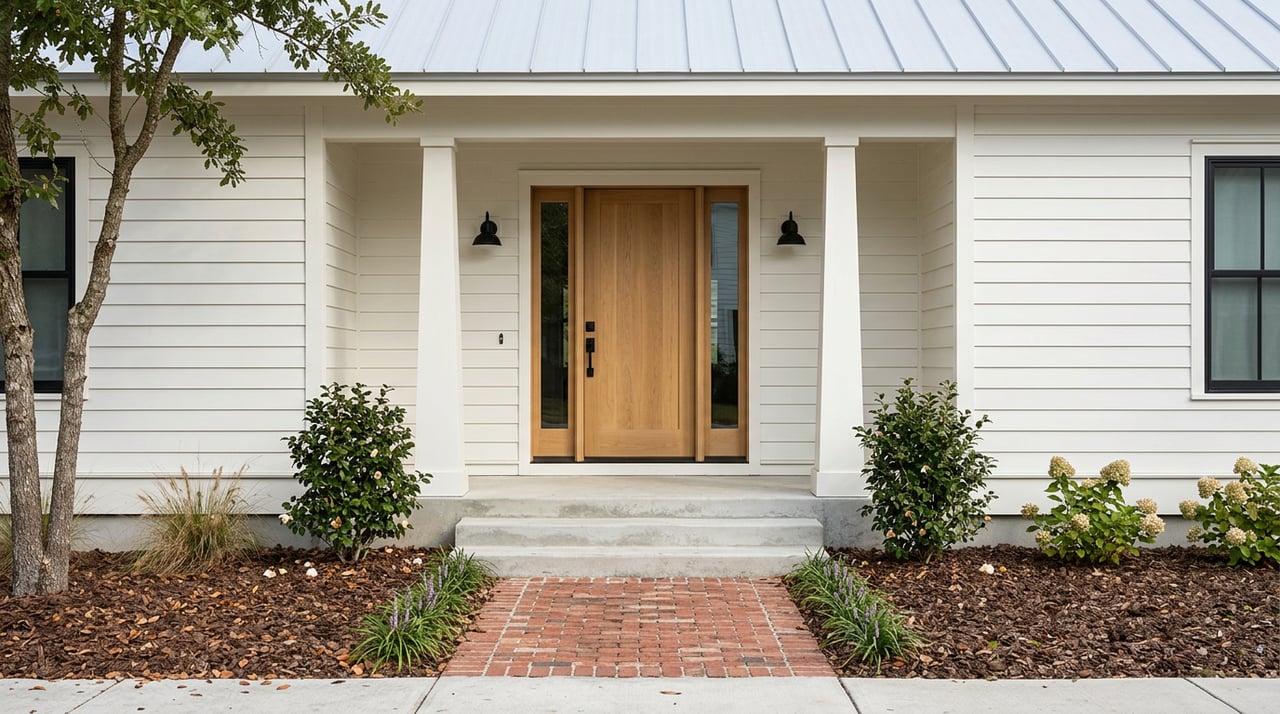
Downtown’s historic core and the nearby Fruit & Nut District feature tree‑lined streets with cottages, bungalows and tasteful infill on compact lots. Many homes sit a short walk from Fairhope Avenue, Bayfront Park and the Municipal Pier. For historic context and preservation rules, see the city’s page on historic structures.
Walkability and daily rhythm
If you prize walking to restaurants, galleries and parks, downtown delivers. The area around Fairhope Avenue offers one of the most walkable environments on the Eastern Shore, supported by nearby errands and recreation, as reflected in Walk Score’s Fairhope page. Seasonal festivals, art walks and the museum anchor a lively, small‑city routine.
Cottage features and renovation notes
Original cottages often span 1,000 to 1,800 square feet with deep porches, mature oaks and classic details. Many have modernized kitchens, baths and HVAC while keeping their scale and charm. Older homes can need drainage work, foundation attention or window and roof updates. If any property lies in a mapped flood zone, you may consider elevation or retrofit options based on inspections and local code.
Downtown pros and cons
- Pros: Walkability, lower routine maintenance, and a broad buyer pool when you resell. Insurance exposure can be lower than direct waterfront, depending on location and flood zone.
- Cons: No private water access for many homes, smaller lots and interiors, and strong competition for renovated properties closest to the pier.
Costs, insurance and resale differences
Pricing and who buys what
Waterfront homes generally command a premium because of scarcity and direct access. Buyers here are often second‑home owners and boaters who accept higher carrying costs for lifestyle access. Downtown cottage buyers often include full‑time residents and second‑home owners who value walkability, quick errands and a social core.
Carrying costs to plan for
- Waterfront: Budget for dock and boat‑lift servicing, periodic seawall or bulkhead work, corrosion maintenance and elevated‑foundation needs, along with higher homeowners, wind and flood premiums. Public coastal repair projects illustrate how capital‑intensive shoreline work can be, which is a helpful reference when planning long‑term upkeep.
- Downtown: Routine costs are typically lower with smaller yards and no dock. That said, older cottages may need foundation, drainage or system upgrades. The city is investing in sewer improvements, with details shared in Fairhope’s sewer upgrade FAQ, which supports long‑term reliability downtown.
Insurance and lending factors
- Flood insurance: If a home is in a Special Flood Hazard Area, lenders usually require flood insurance. Risk Rating 2.0 uses property‑level factors, so premiums can differ significantly even on the same street. Start quotes early and request an elevation certificate.
- Wind and hurricane: On the Gulf Coast, many policies apply separate or percentage deductibles for named storms. Review how these work in practice with your carrier and explore a coastal overview like this guide to Gulf Coast hurricane deductibles.
Resale and long‑term value
Waterfront can resell well, but valuations are increasingly sensitive to flood maps, insurance costs and broader climate perceptions. Research shows climate risks can influence coastal home values over time, an important consideration when paying a waterfront premium. See a recent study summarized by Nature Climate Change. Downtown cottages often benefit from enduring demand for walkability and historic character, which can widen the buyer pool in many markets.
Decision checklist: which one fits you?
Use this quick framework before you tour.
- Access: Do you need a private dock and boat lift, or is public or deeded community access enough?
- Lifestyle cadence: Is boating your daily ritual, or do you prefer strolling to dinner, galleries and the pier?
- Time on site: Will you live here full‑time or part‑time? If part‑time, who will oversee maintenance and storm prep?
- Walkability: How many minutes are you willing to walk to restaurants and shops? Zero to ten minutes puts you in the downtown core and nearby blocks.
- Risk and insurance: Are you comfortable with potential flood and wind premiums, and with future map or policy changes? Ask for sample quotes up front.
- Maintenance tolerance: Are you ready for dock, lift and seawall upkeep, or do you prefer a smaller yard and simpler routine?
- Permits and projects: For waterfront, review prior permits and feasibility for any dock or bulkhead plans with ADEM and USACE. For downtown improvements, check local historic or building rules on the city site.
- Utilities: Confirm municipal water and sewer availability and any planned upgrades. For flood due diligence, run the address on the FEMA Flood Map Service Center and discuss elevation data during inspections.
- Resale strategy: Is your priority long‑term use, or broadest future buyer pool? Waterfront scarcity can support premiums, while walkability and character can appeal to a wider audience.
Next steps: try before you decide
- Tour both settings in one day. Start with a creek or bayfront showing, then walk a few downtown blocks in late afternoon when restaurants and galleries open.
- Get early insurance quotes. Include flood, wind and hurricane deductibles so you can compare real carrying costs side by side. A consumer overview like this Bankrate explainer on flood insurance pricing can help you frame questions for your carrier.
- Pull permits and elevation info. For waterfront plans, review state and federal permitting pathways and any prior approvals. For cottages, review city rules and recent upgrades.
- Think in 5‑ and 10‑year horizons. Match your choice to how you plan to use the property and what you expect from resale.
When you are ready to explore the best of both worlds, reach out to the concierge team that treats you like family. We will line up on‑water showings, curated downtown tours and side‑by‑side cost projections so your decision feels easy. Start the conversation with Top Tier Team.
FAQs
What should I check about flood zones for a Fairhope waterfront home?
- Run the address on the FEMA Flood Map Service Center, note the flood zone, ask for an elevation certificate and get a carrier quote early to size premiums.
Do downtown Fairhope cottages usually require flood insurance?
- Many downtown blocks sit outside high‑risk zones, but not all; confirm the exact address on FEMA’s map, then discuss requirements with your lender and insurer.
What permits are needed to build or repair a dock on Mobile Bay?
- Many docks, pilings and bulkheads need state coastal authorization and often a U.S. Army Corps permit; start with ADEM’s coastal permitting and USACE Mobile District.
How walkable is downtown Fairhope for daily errands and dining?
- The core near Fairhope Avenue is one of the city’s most walkable areas for small‑city amenities, as reflected on Walk Score; touring on foot is the best test.
How do hurricane deductibles work for Gulf Coast homes?
- Many coastal policies use separate or percentage deductibles for named storms, which can raise out‑of‑pocket costs for large claims; review details with your carrier and see this Gulf Coast deductible overview.