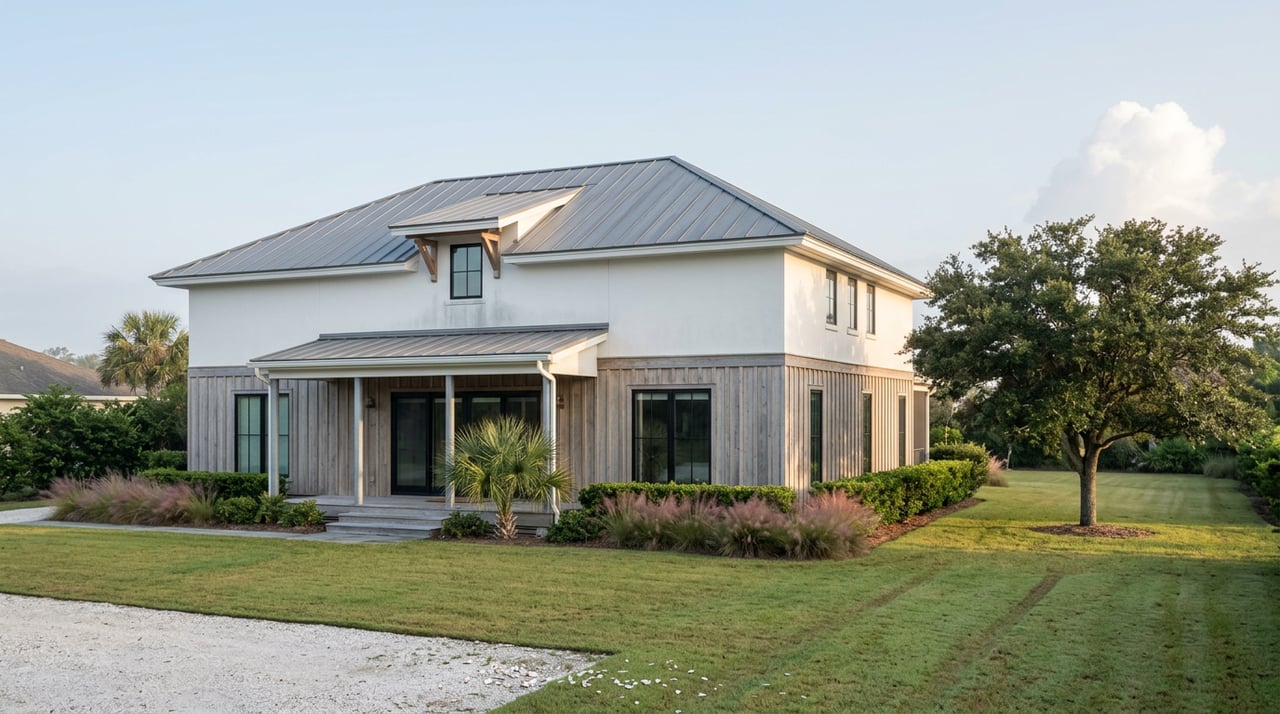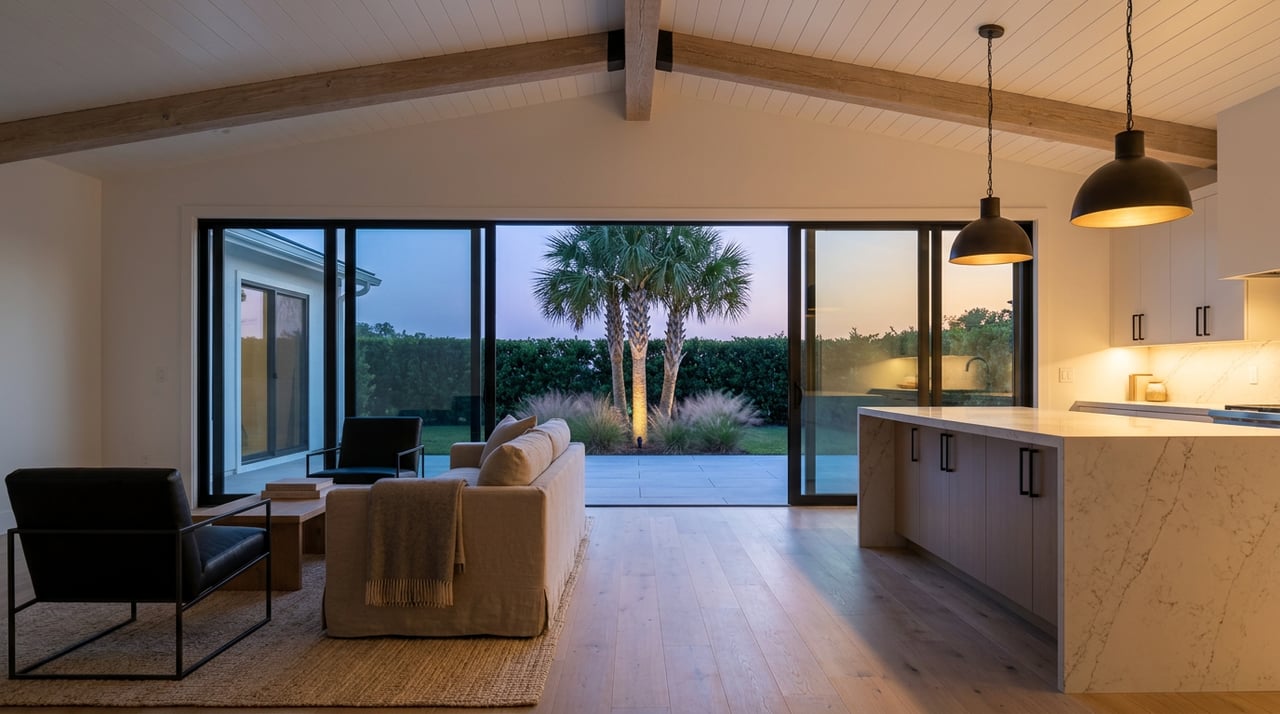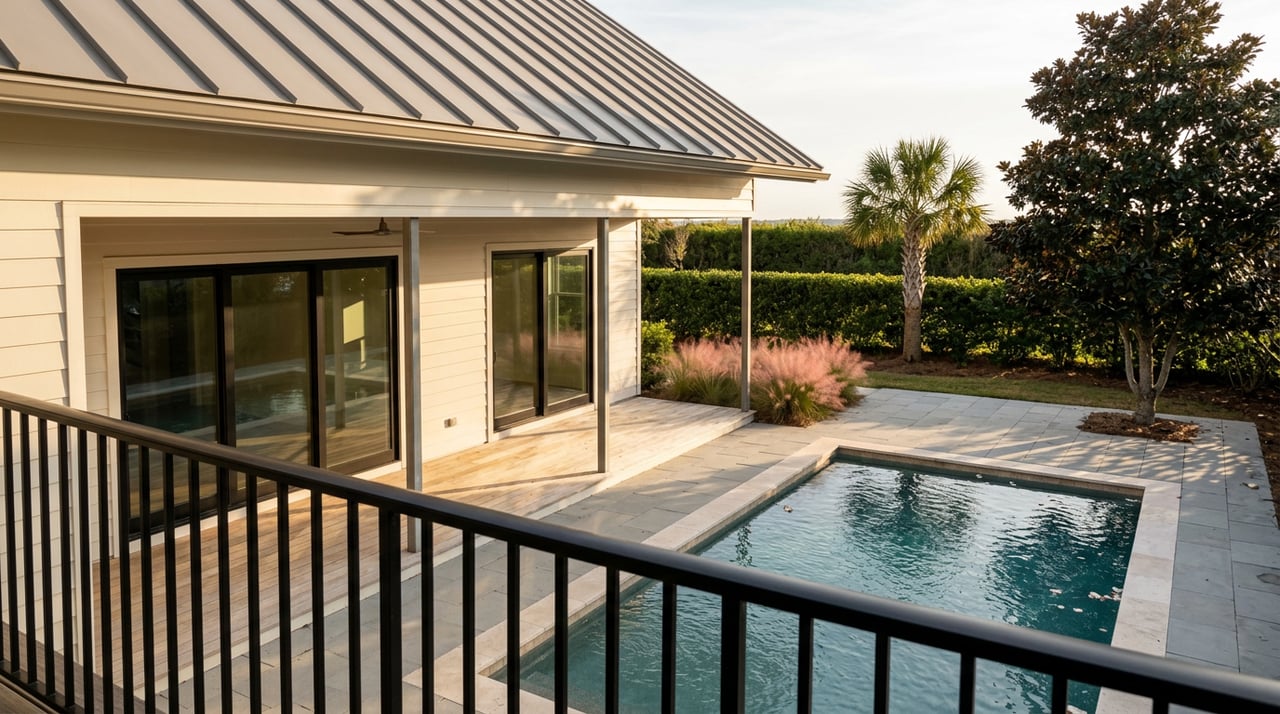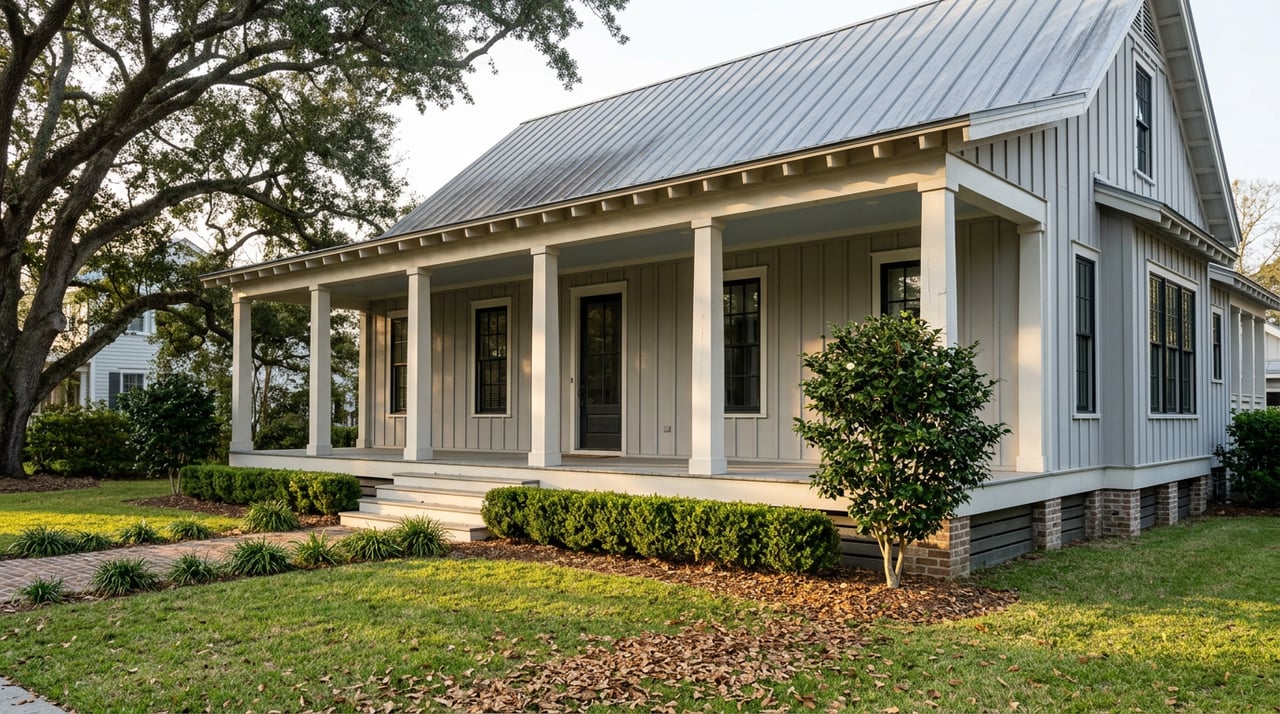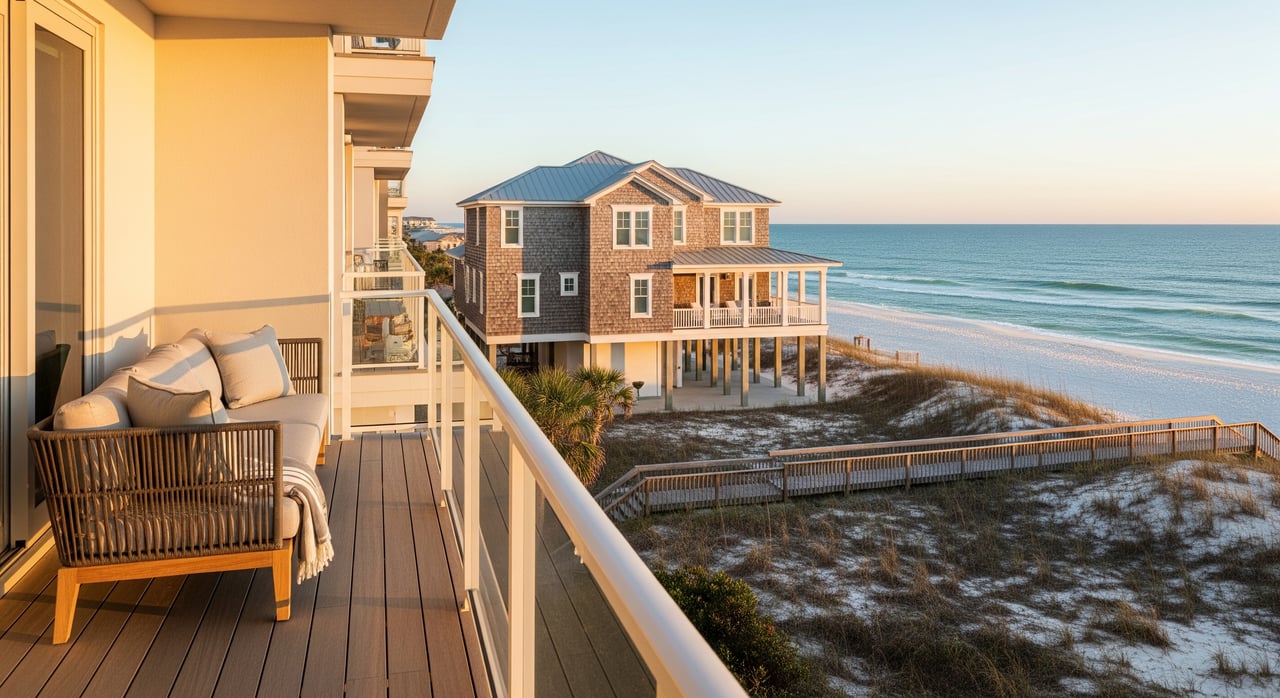
Condo or beach house. If you are buying in Gulf Shores, that choice shapes your budget, how you spend your weekends, and the way your property performs as a rental. You want coastal time without surprises and a plan that fits your lifestyle. In this guide, you will compare real costs, maintenance, insurance, rental rules, and financing so you can choose with confidence. Let’s dive in.
Quick answer: Which fits you best?
If you want low maintenance and on‑site amenities, a condo can be a great fit. If you want privacy, control over upgrades, and room to spread out, a single‑family beach house may be the better match. Your intended use and tolerance for rules versus responsibility will guide you.
- Choose a condo if you value convenience, shared amenities, and predictable upkeep handled by an association.
- Choose a beach house if you want full control over design and operations, space for groups, and the ability to add value with improvements.
Costs in Gulf Shores
Purchase price reality
Condos often offer a lower entry price than detached beach houses in similar locations near the shore. Actual pricing varies by age, view, amenities, and proximity to the beach. A newer condo with strong amenities can cost more than an older house farther from the water, so compare apples to apples.
HOA dues explained
Condo owners pay monthly or quarterly HOA dues that fund building insurance, common area maintenance, reserves, landscaping, pools, elevators, management, and operations. Well‑funded reserves help avoid large special assessments for major repairs. It is smart to review the association budget, reserve study, and meeting minutes so you understand the health of the building and any upcoming projects.
Insurance snapshot
Coastal insurance is a major line item. In a condo, the association’s master policy typically covers the building’s exterior and common areas, while your HO‑6 policy covers interior finishes, personal property, liability, and loss assessment. In a beach house, you insure the entire structure and contents under a homeowner’s policy, often with separate windstorm coverage. Flood insurance may be required for both if the property is in a FEMA Special Flood Hazard Area.
Taxes and utilities
Property taxes are assessed by Baldwin County and vary based on local levies and the parcel’s assessment. Condos sometimes include some utilities like water, trash, or cable in dues, while single‑family homes carry separate utility bills and often higher operational costs for landscaping, exterior lighting, and irrigation. Build a monthly budget that includes taxes, insurance, utilities, and a maintenance reserve.
Maintenance and control
Condo: Less upkeep, more rules
With a condo, exterior maintenance, roofing, pools, and landscaping are handled by the association. That reduces your day‑to‑day tasks, especially if you live out of town. The tradeoff is less control. You will follow HOA rules on renovations, exterior appearance, rentals, parking, and pets. If reserves are inadequate, the association can levy special assessments for big repairs.
Beach house: More work, full control
With a single‑family house, you make all decisions on maintenance, improvements, and rental setup. You can add features like decks or a pool if local regulations allow. Expect more variable costs and time commitments. You are also responsible for storm preparation, cleanup, and repairs after severe weather events.
Coastal wear and tear
Salt air accelerates corrosion on metal, HVAC components, and exterior finishes. Elevated structures require periodic inspection of pilings and foundations. Exterior paint and materials generally need more frequent attention than inland homes. Plan proactively, and get realistic annual maintenance estimates from local contractors.
Rental potential and rules
Demand patterns in Gulf Shores
Gulf Shores is a tourism market with strong seasonal demand, especially late spring through summer. Unit size, number of bedrooms, parking availability, elevator access, and on‑site amenities like pools and direct beach access can significantly influence nightly rates and occupancy. Houses with private features can stand out, while condos in popular complexes benefit from built‑in demand.
Short‑term rental regulations and HOAs
Both condos and houses can perform well as short‑term rentals, but you must confirm the rules. Many condo associations set minimum stay lengths, require registration, or limit short‑term rentals. Single‑family homes can face fewer HOA restrictions, but all properties must comply with City of Gulf Shores requirements, including registration, business licensing, occupancy rules, and lodging taxes. Regulations can change, so verify current details before you buy.
Management and fees
You can self‑manage or hire a professional. Full‑service management commonly ranges from 20 to 40 percent of gross rental revenue and typically includes bookings, guest service, housekeeping coordination, and reporting. Seasonality matters. Off‑season months can run soft. Evaluate income with realistic occupancy, management fees, taxes, utilities, and a capital reserve for big projects.
Risk and resilience on the coast
Hurricanes, surge, and flood zones
Gulf Shores faces hurricane winds, storm surge, flooding, and coastal erosion. Flood insurance requirements depend on FEMA flood maps and a property’s elevation relative to Base Flood Elevation. Elevated construction can reduce flood risk and sometimes lower premiums.
Insurance complexity and deductibles
Coastal properties may need separate windstorm policies or placement with specialized carriers. Deductibles for wind or hurricane events can be percentage‑based and substantial. Ask for quotes from local coastal insurance agents and compare coverage, exclusions, and deductibles for multiple scenarios.
Building codes and mitigation
Newer construction built to modern coastal standards can be more resilient and potentially less costly to insure. Features like reinforced roofs, impact protection, proper elevation, and raised mechanical systems can help reduce damage and insurance exposure. Ask about the property’s storm history and any post‑storm repairs or upgrades.
Financing and resale
Condo underwriting
Lenders often review condo projects for owner‑occupancy ratios, reserves, insurance, and other standards. Some buildings may not qualify for certain loan programs. If you plan to finance, have your lender pre‑check the project so you know what loan products are available.
Single‑family financing
Financing a detached house is often more straightforward with conventional, FHA, or VA options. You still need to account for coastal insurance premiums and any wind or flood requirements when calculating debt‑to‑income.
Resale dynamics
Condos attract buyers who want amenities and a low‑maintenance lifestyle. Houses appeal to buyers who want privacy, land, and flexibility. In some cycles, single‑family homes may see different appreciation patterns than condos. Consider how many competing properties you will face when it is time to sell.
A simple decision framework
Use these seven questions to clarify your best fit.
- Intended use
- Will this be a primary residence, a part‑time second home, or primarily a rental? How often will you visit, and do you want on‑site amenities you do not have to maintain?
- Budget constraints
- Define your all‑in monthly number. Include mortgage, HOA dues if applicable, property taxes, wind and flood insurance, utilities, and a maintenance reserve.
- Tolerance for rules and control
- If you want a simple, amenity‑rich setup and you are comfortable following HOA guidelines, a condo fits well. If you want maximum flexibility and the ability to renovate or add features, a house suits you.
- Rental strategy
- Short‑term or long‑term? Confirm HOA and city rules, permits, and taxes. Decide whether you will self‑manage or hire a property manager, then plug in appropriate fee estimates.
- Insurance and risk tolerance
- Are you comfortable with coastal wind and flood premiums and percentage deductibles? Check flood zone designation and ask for quotes before you offer.
- Financing needs
- If you need a particular loan type, confirm condo project eligibility early. For houses, factor insurance into your lender pre‑approval.
- Resale and liquidity
- Consider your future buyer pool. Condos in large complexes may face more competition. Unique houses with upgrades can stand out but require careful upkeep.
Quick cost comparison worksheet
Use this to compare a specific condo and a house side by side.
- Mortgage payment: [Condo] vs [House]
- HOA dues: [Condo only]
- Property tax: [Both]
- Insurance: HO‑6 plus loss assessment [Condo] vs homeowner’s plus wind/flood [House]
- Utilities: [Water/trash/cable may be in condo dues] vs [Full utilities for house]
- Maintenance reserve: [Lower but include interior refresh] vs [Higher for roof, exterior, landscaping, storm prep]
- Management fees if renting: [20–40% typical range for full service]
Two quick buyer scenarios
Scenario A: Weekend retreaters
You live a few hours away and plan to visit monthly. You want a pool, gym, and direct beach access without hiring landscapers or scheduling roof work. A well‑managed condo with strong reserves can deliver predictable costs and easy enjoyment. Check HOA rental rules if you plan to rent when you are not using it.
Scenario B: Portfolio investor with groups in mind
You plan to host larger families and maximize nightly rates with features like private parking and outdoor space. A single‑family beach house gives you control over design and amenities that can drive revenue. Expect more hands‑on management or higher management fees, and secure wind and flood quotes early.
What to verify before you buy
- Review HOA CC&Rs, bylaws, budget, reserve study, insurance certificates, meeting minutes, and any recent special assessments.
- Confirm short‑term rental rules with both your HOA and the City of Gulf Shores. Ask about permits, business licensing, occupancy limits, parking, and lodging taxes.
- Obtain insurance quotes for property, windstorm, and flood from local coastal specialists. Compare deductibles and exclusions.
- Check FEMA flood map designation and request an elevation certificate if available.
- Ask the seller for repair history and any storm damage or mitigation work. Verify permits with local offices.
- Speak with local property managers about seasonal occupancy patterns, typical nightly rates by unit type, and fee schedules.
- Verify current property tax assessment and rates with Baldwin County.
- Evaluate access details, including parking, proximity to public beach access points, and how that might affect guest demand.
Your next step
Choosing between a condo and a beach house in Gulf Shores comes down to how you want to live, what you want to manage, and how you expect the numbers to perform. With clear goals and careful due diligence, you can pick the property type that fits your lifestyle and plan. If you want local guidance on insurance, HOA reviews, rental strategy, and neighborhood fit, connect with the Top Tier Team. We will walk you through options and treat your purchase like it is our own.
FAQs
What is typically cheaper to own in Gulf Shores: a condo or a beach house?
- Condos often have lower purchase prices and association‑covered exterior upkeep, but HOA dues add a recurring cost. Beach houses can carry higher maintenance and insurance. Compare all costs side by side before deciding.
How do coastal insurance costs differ for condos vs houses in Gulf Shores?
- Condo owners pay for interior HO‑6 coverage and may face loss assessment exposure, while the association insures the building shell. House owners insure the full structure, often with separate wind and flood policies. Premiums and deductibles can vary widely.
Are short‑term rentals allowed for all properties in Gulf Shores?
- Not always. Many condo HOAs set minimum stays or limit rentals. All properties must comply with city rules, registration, business licensing, occupancy standards, parking rules, and lodging taxes. Always verify current regulations.
Is financing a condo as straightforward as financing a single‑family beach house?
- Lenders often require condo project reviews and may limit certain loan programs if a project does not meet standards. Single‑family financing is usually more straightforward, but insurance costs still affect loan approval.
How risky are hurricanes for Gulf Shores properties, and what helps reduce risk?
- Gulf Shores faces hurricane wind, surge, and flood. Elevation, newer code‑compliant construction, impact protection, and reinforced roofing can improve resilience and sometimes insurance terms. Ask about storm history and mitigation.
What do HOA dues usually cover for Gulf Shores condos?
- Dues often fund building insurance, common area upkeep, landscaping, amenities like pools and elevators, reserves for future repairs, and management. Review the budget and reserve study to understand coverage and potential assessments.