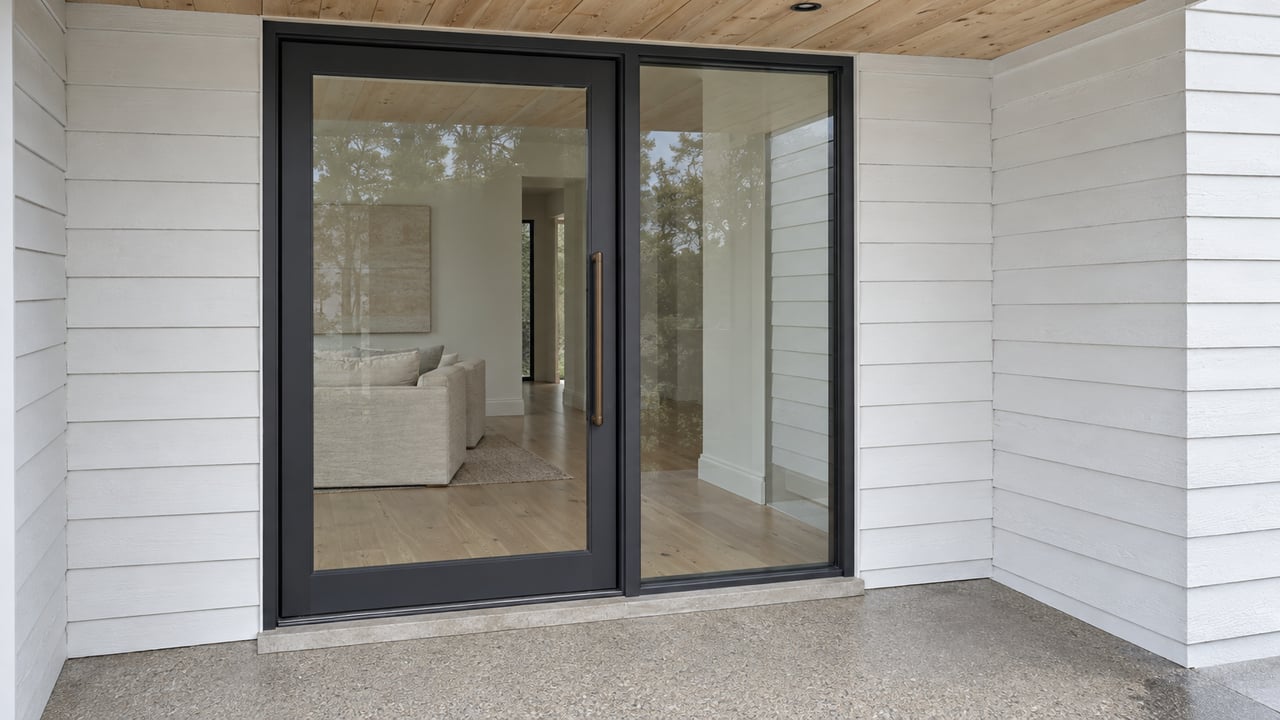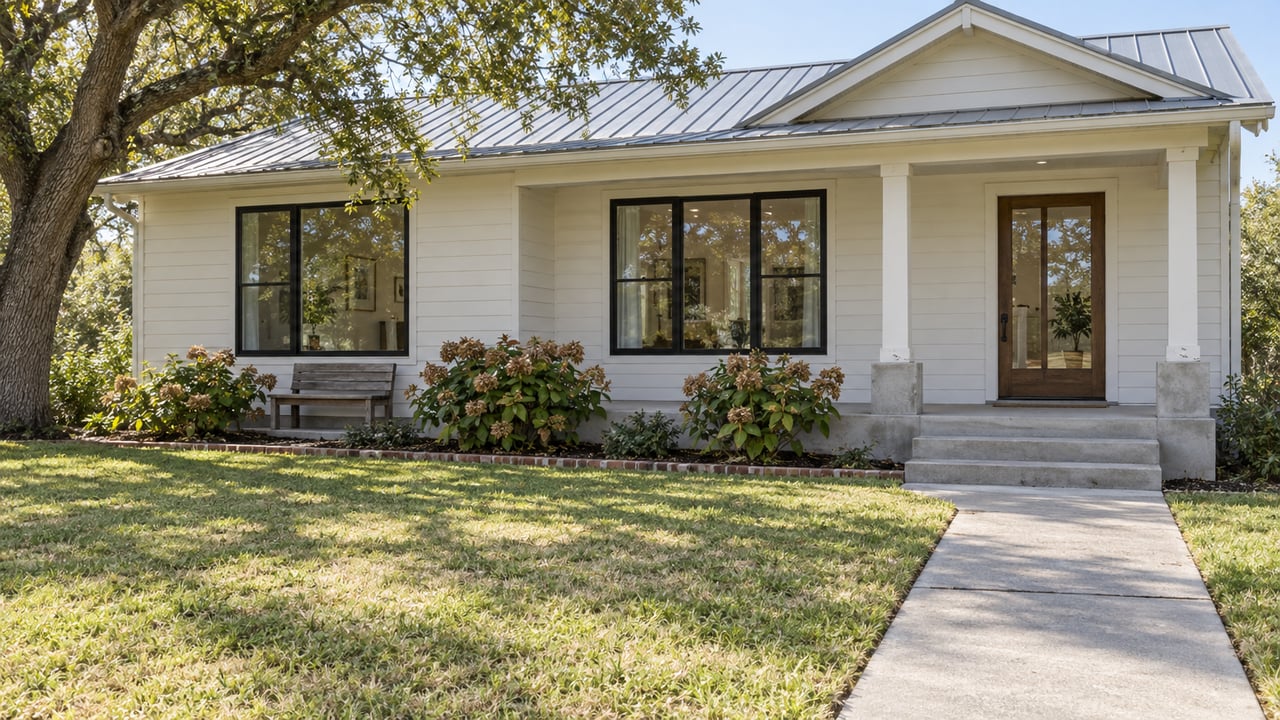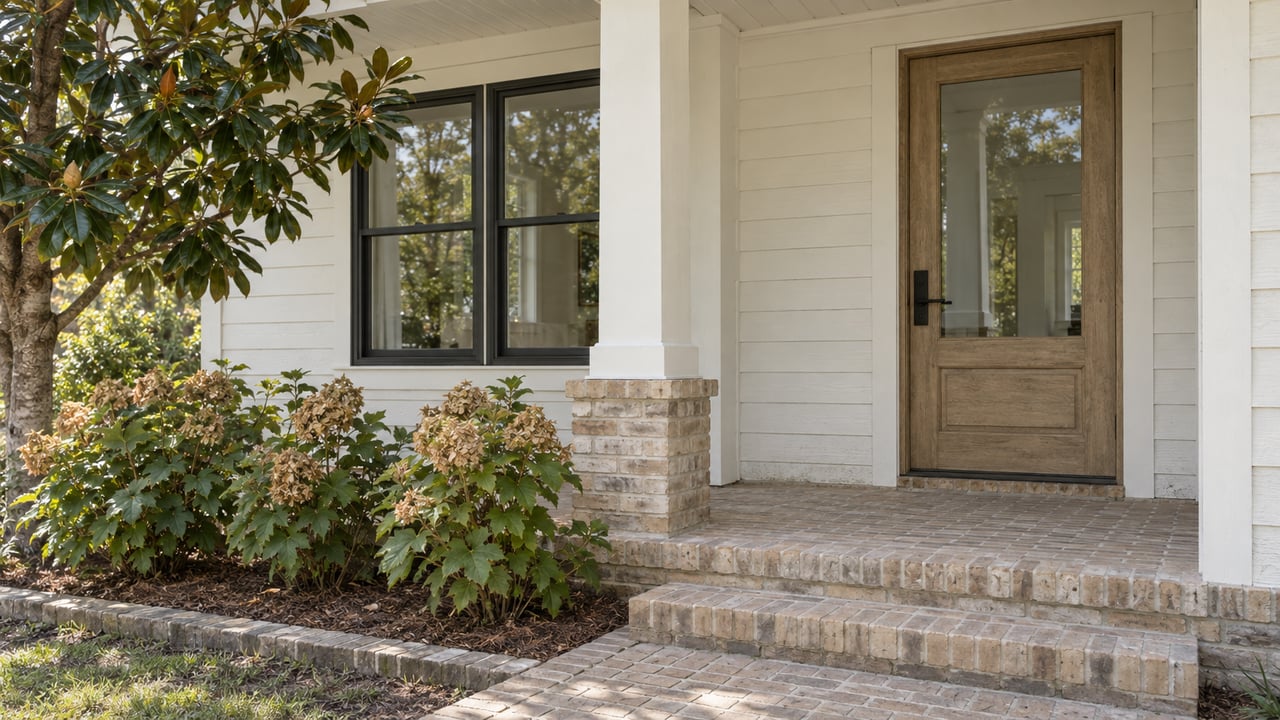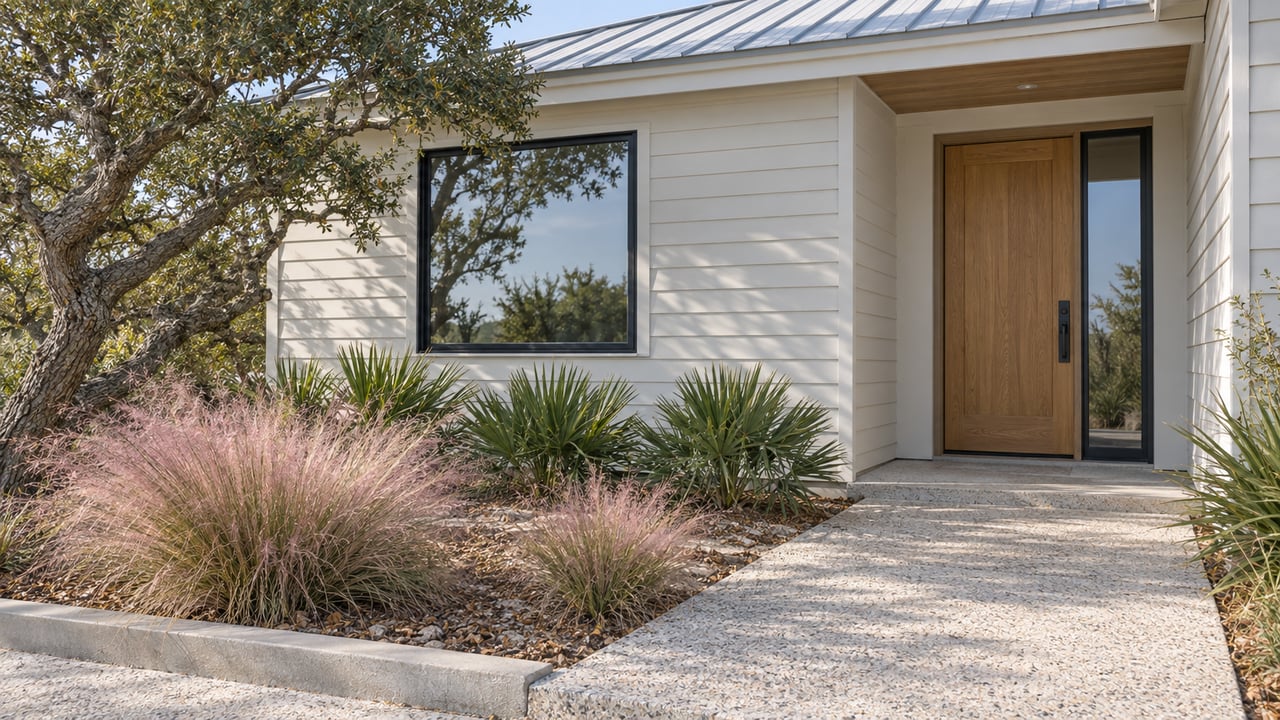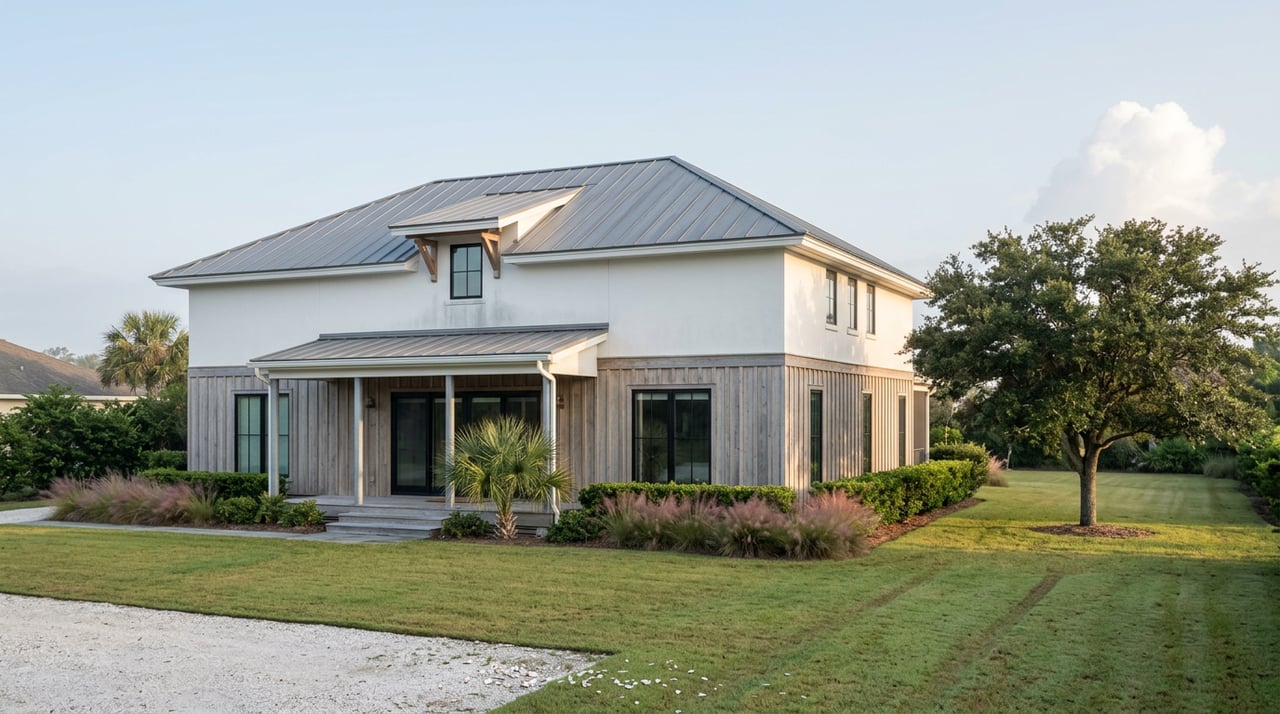
If you are shopping for a single-family home in Orange Beach with an eye toward running it as a short-term rental, which house sounds like the safer bet: the one two blocks off Highway 182 with a peek of the Gulf through the neighbor's yard, or the one sitting right on the beach road itself?
Most buyers say the beach road house. The city's own ordinance says the opposite.
Orange Beach defines a vacation rental as a single-family or two-family dwelling rented for fourteen consecutive days or less, and it draws a specific zoning boundary around where that license can even be issued. The eligible zones are RS-1, RS-2, RS-3, and MHS, the city's standard single-family and mobile-home-subdivision districts. But the ordinance carves out one exception: it excludes any property that falls inside the Beach Overlay District, the strip that runs closest to the water. A house zoned RS-2 a half mile inland can apply for a vacation rental license. A house zoned identically but sitting inside that beachfront overlay cannot, at least not under this article of city code. The rule is written directly into Chapter 50, Article XIV of the city's code of ordinances, and it is easy to miss because it runs against the assumption most buyers walk in with.
Two Very Different Rulebooks Under One Roof
This is where the confusion usually starts, because Orange Beach does not have one rental rulebook. It has two, and they apply to different kinds of property.
The RS-1/RS-2/RS-3/MHS rule described above governs detached and duplex houses. It exists because the city council's own findings, written into the ordinance itself, describe unregulated transient occupancy in residential districts as a threat to neighborhood compatibility and a reason the city needed a licensing structure with real teeth. Violations can bring city fines. This is not a soft suggestion.
Condos live under a completely separate track. According to STR Profit Map, multi-family towers sit in RM (Residential Multi-Family) or PUD (Planned Unit Development) zoning, and whether a given building allows nightly rentals depends on that zoning plus whatever the condo association's own governing documents say, which can be stricter than the city. This is why almost all of the familiar gulf-front rental inventory in Orange Beach, buildings like Phoenix West and the newer towers in the same Phoenix family, operates as a rental under condo and PUD rules rather than the single-family vacation rental ordinance. Phoenix South Point is a current example of that pipeline: a July 2026 construction update on the project described interior tile work advancing through the twelfth floor and finish paint underway on the fifteenth, with framing and drywall priming continuing on floors seventeen through twenty, all inside a gulf-front tower built from the start as rental-ready inventory rather than a workaround to the house rule.
The two systems answer different questions. A buyer looking at a detached house needs to check the RS zoning and the overlay boundary. A buyer looking at a condo unit needs to check the building's zoning and its HOA declaration. Treating them as the same due diligence checklist is the mistake that surfaces late, usually after an offer is already in.
It is common enough that not every rental guide circulating online states the house rule the same way. Some describe the Beach Overlay District as where vacation rentals are allowed and the RS districts as where they are prohibited, which is backwards from what the ordinance text actually says. If you are cross-checking a property's eligibility, go to the source language rather than a summary, because the summaries do not agree with each other.
Why the City Keeps Leaning This Way
This is not a rule the city set once and forgot. At the September 1, 2026 council meeting, Orange Beach took up a first reading to extend its temporary development moratoriums alongside a resolution to formally adopt the city's new Comprehensive Plan, the kind of housekeeping that signals a city still actively shaping how growth gets distributed across its zoning map rather than treating the current lines as settled.
The pattern shows up elsewhere in how the city has steered large-scale rental-style development. The Margaritaville Resort project going in across the Intracoastal Waterway from The Wharf, on roughly 70 acres, is being built with single-family cottages, condominiums, and resort units inside a resort PUD framework designed for that kind of transient use from the start. That is the pattern: when the city wants to add substantial nightly-rental capacity, it tends to route it through purpose-built PUD and resort zoning rather than opening up more of the existing single-family footprint along the beach overlay strip.
For a buyer, that is useful context. The line between the overlay and the RS districts is not an oversight waiting to be corrected. It reflects a consistent municipal preference for keeping transient use concentrated in zones built for it and keeping the established single-family overlay closer to standard residential use.
What the 2026 Market Is Doing While You Sort This Out
The upside of figuring this out now rather than after closing is that the current market gives you the room to actually do it.
Homes in Orange Beach have been taking noticeably longer to sell than they did during the tightest years of the pandemic-era market. Local trackers do not fully agree on the size of the shift: one brokerage's early 2026 review put typical time on market at around 145 days, up from about 80 days the year before, while broader housing data covering the three months ending May 2026 showed a smaller but still real jump, from roughly 76 days to 101. Either way, the direction is the same, and it is not a one-off. Condo inventory has grown alongside that slowdown, with waterfront listings across Orange Beach and neighboring Gulf Shores running well over 500 active units by early August 2026, a level of selection buyers have not had in several years. Insurance, long the biggest source of sticker shock for coastal buyers, has also started to level off, with several carriers offering flat or only modestly higher renewal quotes on coastal property as of early 2026 compared to the sharp annual increases of prior years.
None of that changes the zoning line itself. What it changes is your leverage to check it before you are boxed into a deadline. A buyer's market with rising inventory and slower turnover is exactly the environment where you can ask for extra time to verify a parcel's exact zoning designation and confirm whether it sits inside or outside the Beach Overlay District, rather than waiving that contingency to keep pace with a competing offer.
Before You Write the Offer
If a house's ability to operate as a licensed nightly rental is part of your buying decision, a few steps belong in due diligence before the inspection period closes, not after:
- Confirm the parcel's zoning classification directly with the city's Planning & Zoning Department rather than relying on a listing description or a rental platform's estimate.
- Ask specifically whether the parcel falls inside or outside the Beach Overlay District, since RS zoning alone does not answer that question.
- If the property is a condo, request the association's governing documents and confirm whether short-term rentals are currently permitted and whether that has changed recently.
- Request a copy of any existing Vacation Rental Certificate if the seller currently operates the property as a rental, along with its expiration date and whether it transfers to a new owner.
A Few Direct Questions
Does the Beach Overlay exclusion apply to condos too? No. Condos and multi-family buildings are governed by RM and PUD zoning plus their own HOA documents, not by the RS-1/RS-2/RS-3/MHS vacation rental article that applies to detached and duplex houses.
Where exactly does the Beach Overlay District sit? It generally follows the gulf-front corridor along Highway 182, with the city's own zoning ordinance describing the affected area in relation to Highway 161 and Cotton Bayou near Perdido Pass. The precise boundary for any given parcel should be confirmed against the city's official zoning map rather than estimated from the street address alone.
Zoning lines like this one rarely show up in a listing photo or a portal description. They show up in due diligence, and by then a buyer has usually already fallen in love with the house. If you are comparing a single-family purchase in Orange Beach against a condo, or trying to figure out what a specific address can legally do before you write an offer, Top Tier Team can walk the zoning map with you and pull the certificate history on a property before it becomes a surprise. Get your free home valuation and let's talk through what a specific address in Orange Beach can and cannot do.
This article is general information, not legal, tax or financial advice. Consult a qualified professional about your situation.