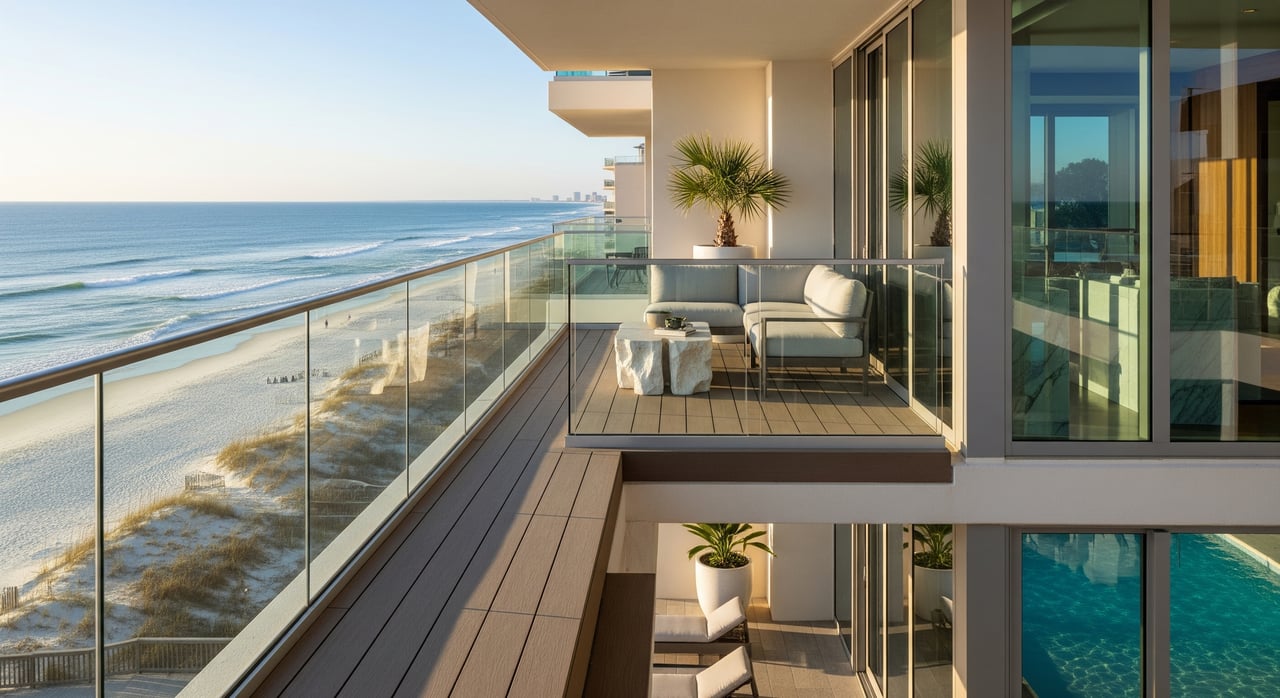
Dreaming of a place on Pensacola Beach that you can enjoy and also rent out when you are away? A condo-hotel can be a smart way to blend vacation time with potential rental income, but it works differently than a typical condo. The rules, fees, and financing are unique, and local coastal risks matter. In this guide, you’ll learn how condo-hotels operate, what to look for on Santa Rosa Island, and the due diligence steps that protect your bottom line. Let’s dive in.
Condo-hotel basics
A condo-hotel is a condominium unit that also operates as part of a hotel or resort. You own your individual unit under Florida’s condominium law, and the building runs hotel-style services like a front desk, reservations, housekeeping, and marketing. For the legal foundation, review Florida’s Condominium Act in Chapter 718 of the Florida Statutes.
Condo-hotels usually include shared amenities such as pools, restaurants, on-site management, and housekeeping services. Many buildings offer a rental program where the operator markets your unit to guests. The operator collects revenue, retains management and operating fees, then pays you the net amount based on the program’s agreement.
How rental programs work
Rental program rules vary by property. Some require you to participate in the hotel’s rental pool. Others make participation optional but still set owner-use calendars or minimum availability requirements. You will want clear terms on owner booking privileges, cancellation policies, fee schedules, and how net income is calculated and paid out.
Who condo-hotels fit
- Owners who want a turnkey beach retreat with access to hotel-level amenities.
- Investors seeking short-term rental income with professional management.
- Hybrid users who split time between personal stays and rentals.
Pensacola Beach realities
Pensacola Beach is a classic Gulf Coast vacation market with strong seasonal demand. Summer months and weekends typically drive occupancy and rates. Events like air shows and festivals add spikes in bookings. During shoulder seasons, demand can ease, which affects annual revenue potential.
Condo-hotel units compete with traditional hotels and stand-alone vacation rentals. In this market, the building’s amenities, brand, and management quality can influence occupancy and average daily rates. Well-run, well-reviewed properties often stand out.
Island risks to weigh
Barrier-island living comes with hurricane exposure, storm surge risk, and flood zone considerations. Many buildings sit in mapped flood zones, which can affect insurance requirements and costs. To understand a property’s flood designation and elevation, check the FEMA Flood Map Service Center. Also review building-level wind mitigation features, prior storm claims, and association hurricane plans. These details can shape both ongoing expenses and post-storm recovery.
Costs, income, and what to expect
Condo-hotel ownership usually involves higher carrying costs than many residential condos because of 24/7 operations and hotel services. Expect the association budget to cover common-area maintenance, insurance for common elements, reserves, and portions of hotel operations. Special assessments can occur for repairs or storm-related restoration.
On the income side, the operator typically retains a management fee and may charge for housekeeping, linens, marketing, and online travel agency commissions. Your net income depends on occupancy, seasonality, unit condition, and building reputation.
Request verifiable historical performance data before you buy. Ask the association or operator for at least 12 to 36 months of occupancy, average daily rate, and gross and net revenue by unit type. Use those figures to set realistic expectations.
Common cost line items to review
- Monthly condo association assessments and reserve contributions
- Rental program management percentage and marketing/OTA fees
- Housekeeping, linen, and maintenance charges
- Insurance costs for your unit, plus your share of the building’s master policy via HOA dues
- Utilities and interior replacements not covered by the association
Financing and resale
Financing a condo-hotel is different from financing a traditional condo. Many lenders view condo-hotels as non-warrantable, which can mean higher down payments, different underwriting, and sometimes portfolio or commercial loans. FHA and VA often have stricter limits for properties primarily operated as transient lodging.
To understand eligibility at a high level, see Fannie Mae’s guidance on condo project eligibility. Talk with lenders who regularly finance resort or condo-hotel projects so you can compare terms, rates, and required reserves.
On resale, the buyer pool can be smaller than for standard condos. Pricing and liquidity tend to reflect operator reputation, verifiable net income history, the building’s condition, and overall demand for short-term rentals at the time of sale.
Taxes and licensing
If you rent your unit, rental income is reportable for federal income tax purposes, and normal expense deductions may apply under IRS rules. Because short-term lodging can involve substantial services, speak with a CPA about how your specific use will be treated.
Florida imposes state sales tax on transient rentals, and counties typically add a local tourist development tax. Confirm current rates and whether the operator collects and remits these taxes for your unit. For state tax guidance, consult the Florida Department of Revenue’s overview of sales and use tax.
If your building or program qualifies as public lodging, licensing and inspections can apply. Review requirements with the Florida Department of Business and Professional Regulation. For local records and property details, the Escambia County Property Appraiser is a useful reference.
Insurance and disaster recovery
Plan for elevated insurance costs compared with many inland properties. Flood insurance is commonly required if the building sits in a Special Flood Hazard Area. Understand what the association’s master policy covers for common elements and structure. Then confirm the unit-owner policy you need for interior finishes and contents.
Ask for the association’s insurance history, recent wind mitigation upgrades, and details on storm claims and assessments. After major storms, special assessments and repair timelines can impact both your use and your return.
A due diligence checklist for Pensacola Beach
Use this list to protect your investment:
- Association documents: declaration, bylaws, rules and regulations, budget, reserve study, audited financials, insurance policies, and recent meeting minutes
- Rental program agreement: owner-use limits, block-out rules, fee schedules, revenue-sharing formula, booking priorities, cancellations, payout timing, and accounting procedures
- Performance data: 12 to 36 months of occupancy, ADR, and gross and net revenue by unit type
- Insurance and risk: building master policy, owner policy needs, flood zone designation via the FEMA Flood Map Service Center, and prior storm claims
- Property records: ownership and tax history with the Escambia County Property Appraiser
- Zoning and permitting: confirm current county rules for short-term rentals, licensing, and any business registrations
- Financing: talk to lenders experienced with condo-hotels about down payments, rates, and whether the project is considered warrantable
- Taxes: clarify who collects and remits state sales tax and county tourist development taxes; confirm in writing
- Physical condition: recent inspection reports, waterproofing and structural upgrades, HVAC, roof, elevator maintenance, and any open code items
- Reputation: owner and guest feedback about the operator, cleanliness, and service quality
- Exit strategy: comparable resales, days on market, and any transfer restrictions
Is a condo-hotel right for you?
You may be a good fit if you value turnkey service, want a place to enjoy several times a year, and like the idea of offsetting costs with short-term rental income. You accept that HOA dues and operational fees can be higher than typical condos, and you are comfortable following a rental program’s rules.
If you are purely yield-focused, you will want clean, third-party income records, strong building management, and realistic expectations about seasonality. If you want maximum personal use and control, a standard condo might suit you better. The right choice comes down to your lifestyle priorities, your risk tolerance for coastal ownership, and your financing options.
Your next step on Pensacola Beach
A condo-hotel can be the perfect bridge between vacation time and income, but it pays to go in with eyes open. If you want a clear path from research to closing, we are here to help you evaluate properties, gather the right documents, and connect you with lenders and advisors who understand condo-hotels.
When you are ready, reach out to the Top Tier Team for concierge guidance tailored to Pensacola Beach and the Gulf Coast.
FAQs
What is a condo-hotel and how is it structured in Florida?
- It is a condo unit you own under Florida’s condominium law, but it operates within a hotel-style program that provides front desk, reservations, housekeeping, and shared amenities. See Florida Statutes Chapter 718 for the legal foundation.
How do rental programs typically pay owners in Pensacola Beach condo-hotels?
- The operator collects guest revenue, deducts management and operating fees, and pays owners net income based on the rental agreement’s formula and schedule; request 12 to 36 months of verified performance data.
Are condo-hotel HOA dues higher than standard condos?
- Often yes, because the budget supports hotel-level operations and services like front desk and housekeeping, plus common-area insurance and reserves; always review the current budget and any special assessments.
Can I get a conventional mortgage for a condo-hotel?
- Many condo-hotels are considered non-warrantable, so you may need a portfolio or specialized loan with larger down payments; review lender guidance and see Fannie Mae’s condo project eligibility overview.
Do I need flood insurance for a condo-hotel on Pensacola Beach?
- If the building is in a Special Flood Hazard Area, flood insurance is commonly required for financing; verify the flood zone at the FEMA Flood Map Service Center and confirm coverage with the association and your insurer.
Who handles sales and tourist development taxes on short-term rentals?
- Florida imposes state sales tax and counties add local lodging taxes; confirm in writing whether the operator collects and remits these taxes and review state guidance from the Florida Department of Revenue on sales and use tax.
What documents should I review before buying a condo-hotel unit?
- Get the condo declaration, bylaws, rules, budgets, reserve study, insurance policies, meeting minutes, rental program agreement, 12 to 36 months of income data, and records of prior storm claims and special assessments.