What exactly are you paying for when you see those monthly condo HOA fees in Gulf Shores? It can feel like a black box, especially with coastal costs in the mix. You want clarity before you buy or list, so you can plan smart and avoid surprises. In this guide, you’ll learn what HOA fees usually include here, what they rarely cover, how the coast affects budgets, and the documents and questions that help you evaluate any building. Let’s dive in.
What your HOA fee pays for
Common-area upkeep
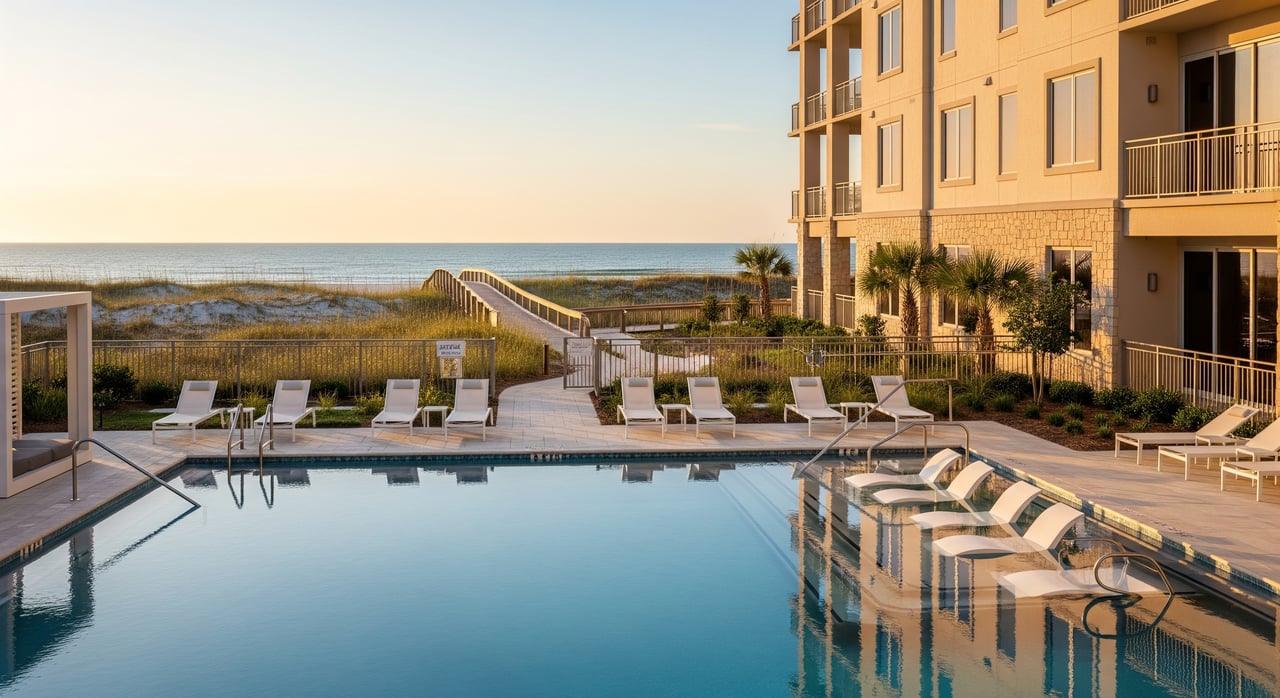
Your fee helps maintain shared spaces like lobbies, hallways, landscaping, parking lots, pools, and beach access paths. In Gulf Shores, exterior paint, railings, and roof systems face salt, sun, and wind, so maintenance cycles can be more frequent than inland properties. Some communities also manage dune walkovers or access structures as part of routine care.
Master insurance and wind coverage
Most associations carry a master policy that covers the building structure and common elements. In coastal Alabama, windstorm and hurricane coverage is a major cost driver. Deductibles for wind or hail can be large, and policies vary by scope. Flood is typically excluded from these policies, so flood coverage is a separate decision at the building or unit level.
Utilities and services
Fees usually fund common-area electricity, water for landscaping and pools, and sometimes gas for shared systems. Some Gulf Shores condos include unit water, basic cable, or internet, especially in buildings with frequent short-term rentals. Always confirm what is individually metered versus master billed.
Management and staffing
Condo associations often pay for a property manager and on-site maintenance or front desk staff. In vacation markets like Gulf Shores, higher guest turnover and more oversight can increase management costs compared to quieter, owner-occupied buildings.
Amenities and coastal extras
Pools, fitness centers, clubhouses, elevators, parking garages, and security systems all add operating and maintenance costs. Coastal communities may also fund beach and dune stabilization, seawall upkeep, or marina and boat slip maintenance. Marina dredging and dock repairs can be especially expensive over time.
Reserves and capital projects
A portion of your fee goes to reserves for big-ticket items like roof replacement, elevator modernization, HVAC systems, and parking structure repairs. On the coast, exposure to salt and sun can shorten the useful life of exterior components, so healthy reserves matter even more.
Safety and compliance
Associations pay for lighting, cameras, fire alarms and suppression systems, elevator inspections, pest control, and required compliance testing. Legal, accounting, taxes, and administrative costs are typically included as well.
What HOA fees usually do not cover
Interior finishes and HO-6 policies
You are typically responsible for your unit’s interior finishes, personal belongings, and liability inside the unit. Most owners carry an HO-6 condo policy, which can also include loss assessment coverage.
Flood insurance gaps
Standard master policies usually exclude flood. If the condo lies in a mapped flood zone, lenders often require flood coverage at the building or unit level. Verify whether the association carries any flood policy and what is required of owners.
Your mortgage, taxes, and personal utilities
HOA dues do not replace your mortgage or property taxes. When utilities are separately metered for your unit, you pay those directly.
Special projects and deductibles
Large renovations or exterior restorations are not always fully funded by reserves. Associations may use special assessments. After a covered wind or property claim, owners can face deductible allocations, depending on the policy language.
Why coastal factors raise costs
Hurricanes and wind deductibles
Gulf Shores faces tropical storms and hurricanes. Windstorm coverage and related deductibles can be a major budget item, and higher deductibles can lead to owner assessments after a claim.
Salt and sun wear
Salt air and UV exposure speed up corrosion and wear on railings, balconies, exterior paint, and mechanical systems. Shorter replacement cycles can push operating and reserve needs higher than inland condos.
Vacation rentals and turnover
Buildings with heavy short-term rental activity often experience more wear-and-tear, higher cleaning and oversight needs, and sometimes higher insurance premiums. These factors can influence both monthly fees and reserve strategies.
Dunes, seawalls, and marinas
Some developments are responsible for coastal structures like dune walkovers, seawalls, or marina facilities. These features can add meaningful ongoing and long-term costs.
How to evaluate a Gulf Shores condo association
Documents to request
Before you buy, ask for:
- Current operating budget and year-to-date financials
- Most recent reserve study and the current reserve balance
- Board meeting minutes from the past 12–24 months
- CC&Rs, bylaws, rules, and all amendments
- Resale certificate or estoppel letter with current fees and any special assessments
- Master insurance policy summary, including wind/hurricane deductibles and flood exclusions
- Vendor list and contracts (management, landscaping, insurance broker)
- Litigation disclosures and any threatened claims
- Schedule of transfer, estoppel, and other association fees
- Delinquency report or collection policy
Smart questions to ask
Use these to clarify real costs and risks:
- What exactly is included in the monthly fee for this unit?
- How often are fees billed, and when was the last increase?
- What is the reserve balance, and is the board following the reserve study?
- Have there been special assessments in the last 5–10 years? For what and how much?
- Are any capital projects planned in the next 1–5 years, and how will they be funded?
- How large are windstorm or hurricane deductibles, and how are they allocated after a claim?
- Is flood insurance carried at the building level, or must owners carry their own policies?
- Are there rental restrictions, and what percentage of units are investor-owned?
- Are there any ongoing or expected legal actions?
- What are typical monthly operating expenses per unit, if available?
Red flags to watch
- Very low reserves for an older or highly exposed building
- Repeated or large special assessments tied to storm damage or deferred maintenance
- Inadequate wind coverage or very high deductibles with unclear allocation
- High owner delinquency rates or heavy lien activity
- Significant pending litigation
- Heavy short-term rentals without strong management practices
- Unclear responsibility for seawalls, dune work, or other coastal structures
Financing, insurance, and resale impacts
Mortgages and project approval
Lenders review financial health, reserves, owner-occupancy, and project approval status when underwriting condos. High monthly fees can affect your debt-to-income ratio. Some lenders are cautious with buildings dominated by short-term rentals common to vacation markets.
Insurance to plan for
Most buyers should expect to carry an HO-6 policy for interior coverage, liability, and potential loss assessments. If the condo is in a mapped flood zone and the mortgage is federally backed, lenders will require flood insurance. Know exactly what the master policy covers so there are no gaps.
Resale pros and cons
Healthy reserves, stable fees, and clear insurance policies support buyer confidence and marketability. On the other hand, high fees, frequent special assessments, or weak reserves can reduce resale appeal. Rental-focused buildings may attract investors, while some owner-occupant buyers and certain loan programs prefer more balanced occupancy.
Quick budgeting tips
- Compare apples to apples. Check exactly which utilities and services are included in each building’s fee before you compare costs.
- Stress test the budget. Ask about recent assessments and any planned projects in the next 1–5 years.
- Know the deductibles. Understand windstorm deductibles and how they might be allocated after a claim.
- Plan for insurance. Price both HO-6 and flood coverage early to avoid surprises.
- Watch reserves. A strong reserve fund can reduce the risk of sudden special assessments.
Ready for local guidance?
A clear HOA picture can save you time, money, and headaches. If you want a second set of eyes on budgets, reserves, and insurance nuances before you buy or list, you are not alone. Reach out to the family-first professionals at Top Tier Team for local insights, a clear plan, and a smooth Gulf Shores condo experience.
FAQs
Are Gulf Shores condo HOA fees higher than inland markets?
- Often yes. Coastal risks, salt-related wear, and tourism-driven management needs can raise operating costs and reserve requirements compared to inland condos.
Do Gulf Shores condo HOA fees include flood insurance?
- Usually not. Standard master policies often exclude flood, so flood insurance is typically separate at the building or unit level, depending on the association and lender.
What is a reserve study for a Gulf Shores condo?
- It is a planning report that estimates when major components will need repair or replacement and recommends annual reserve contributions to fund those projects.
How do windstorm deductibles affect owners in Gulf Shores?
- Wind and hail deductibles can be large. After a claim, some associations allocate part of the deductible to unit owners, depending on policy terms and governing documents.
What should I review before buying a Gulf Shores condo?
- Review the current budget, reserve study and balance, insurance policy details, recent minutes, assessment history, litigation disclosures, and rental rules.
Do rental-heavy Gulf Shores buildings have different fee profiles?
- They can. Frequent turnover may increase cleaning, oversight, and insurance costs, which can influence both monthly fees and reserves.